Technical Readiness Level:

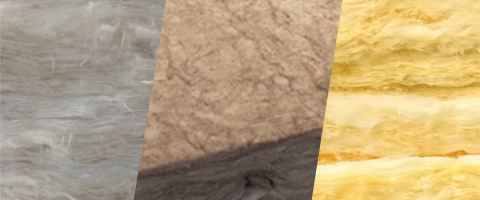
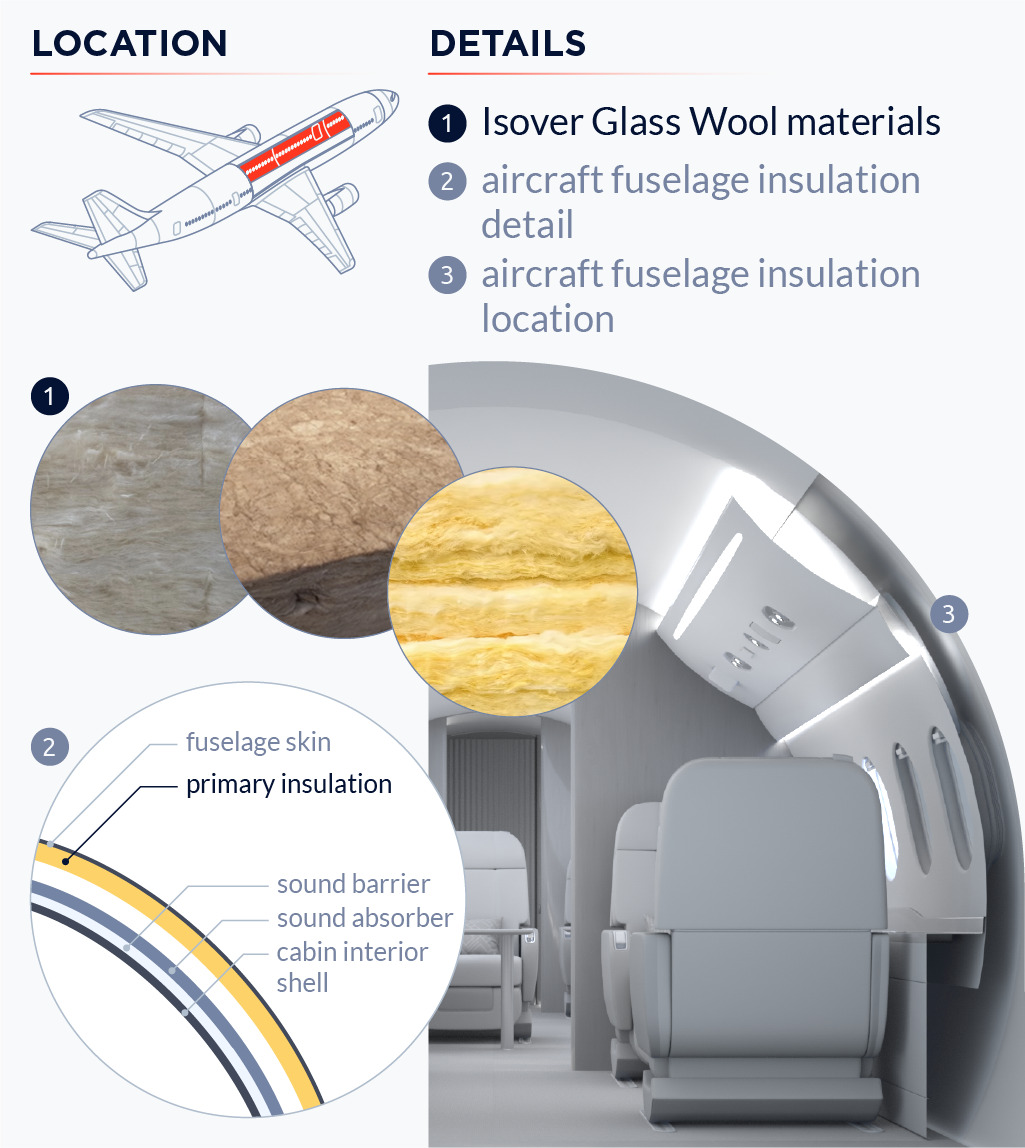
The conventional insulation in aircrafts consists of blankets made from layers of glass wool wrapped in foil that keeps the glass wool from being adversely affected by the environment. In addition to glass fibres, glass wool products typically contain an organic binder that provides strength and mechanical integrity required for their end use application.lGlass wool insulation binders are traditionally phenol-formaldehyde based resins. Phenol-formaldehyde binders used in the manufacture of mineral wool insulation are increasingly being scrutinized for the formaldehyde released during their manufacture and service lifetime.SG Isover has developped a new generation of mineral wools emitting low VOC and preserving indoor air quality while providing high performance thermal and acoustic insulation solutions for building applications that relies on a biobased formaldehyde free binder.
Key features:
- Formaldehyde free binder.
- High acoustic and thermal performances.
- Low embodied carbon.
- Combustion free.
- Recyclability.
Our partners

Want to collaborate?
Aerospace Innovation:
[email protected]